
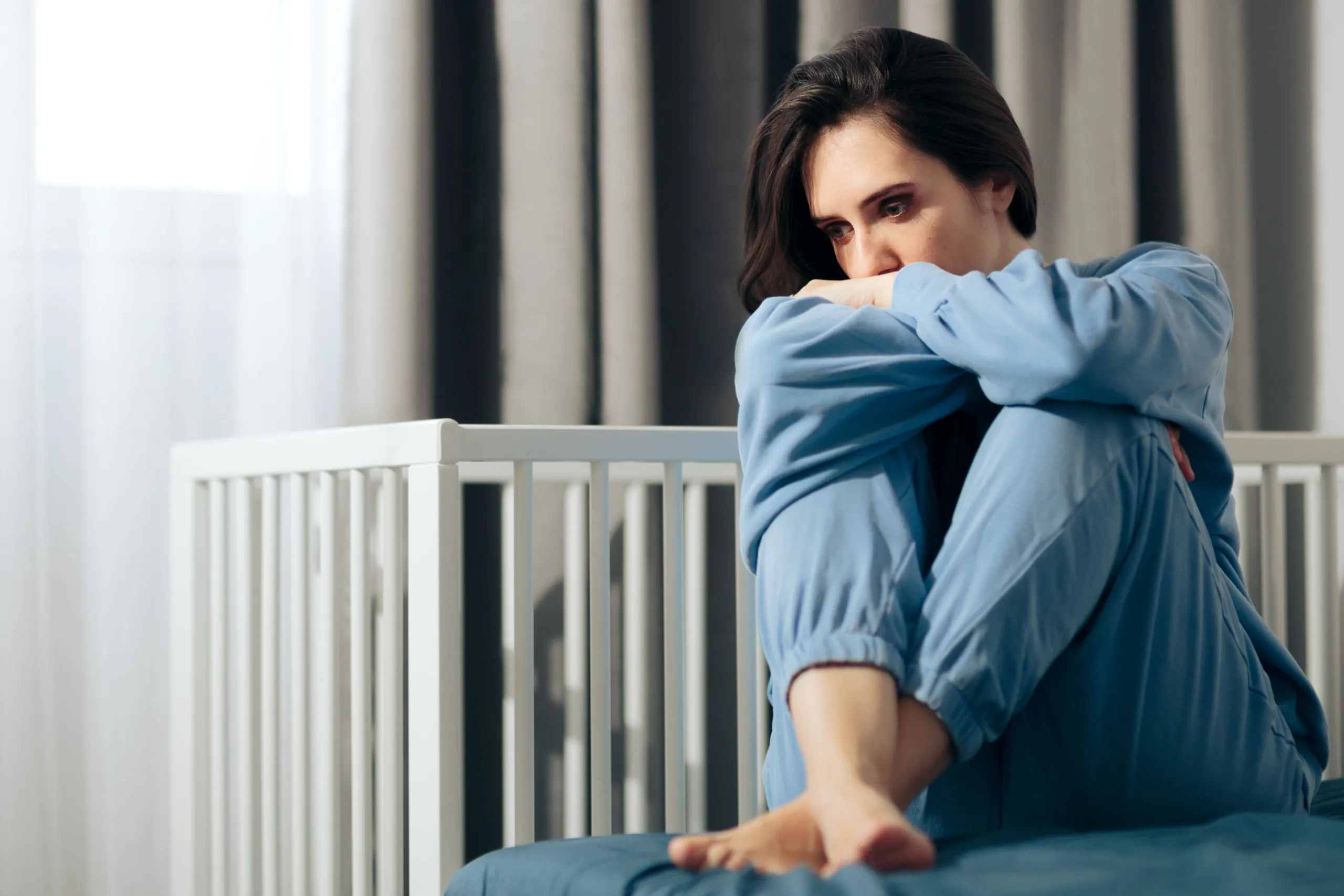


Postpartum depression arises from a complex interplay of hormonal shifts, genetic predisposition, and life stressors. After delivery, estrogen and progesterone levels plummet dramatically—sometimes dropping up to 100-fold within 48 hours—disrupting neurotransmitter systems that regulate mood, sleep, and stress response.
Research shows that women with a personal or family history of depression, anxiety, or bipolar disorder face higher PPD risk. Sleep deprivation, the physical demands of childbirth, social isolation, and lack of partner support further contribute. Thyroid dysfunction, which affects up to 10% of postpartum women, can also mimic or exacerbate depressive symptoms.
Understanding these causes helps remove the stigma: PPD is not about being a "bad mother." It's a physiological response to profound biological and environmental changes, and it's entirely treatable.


